
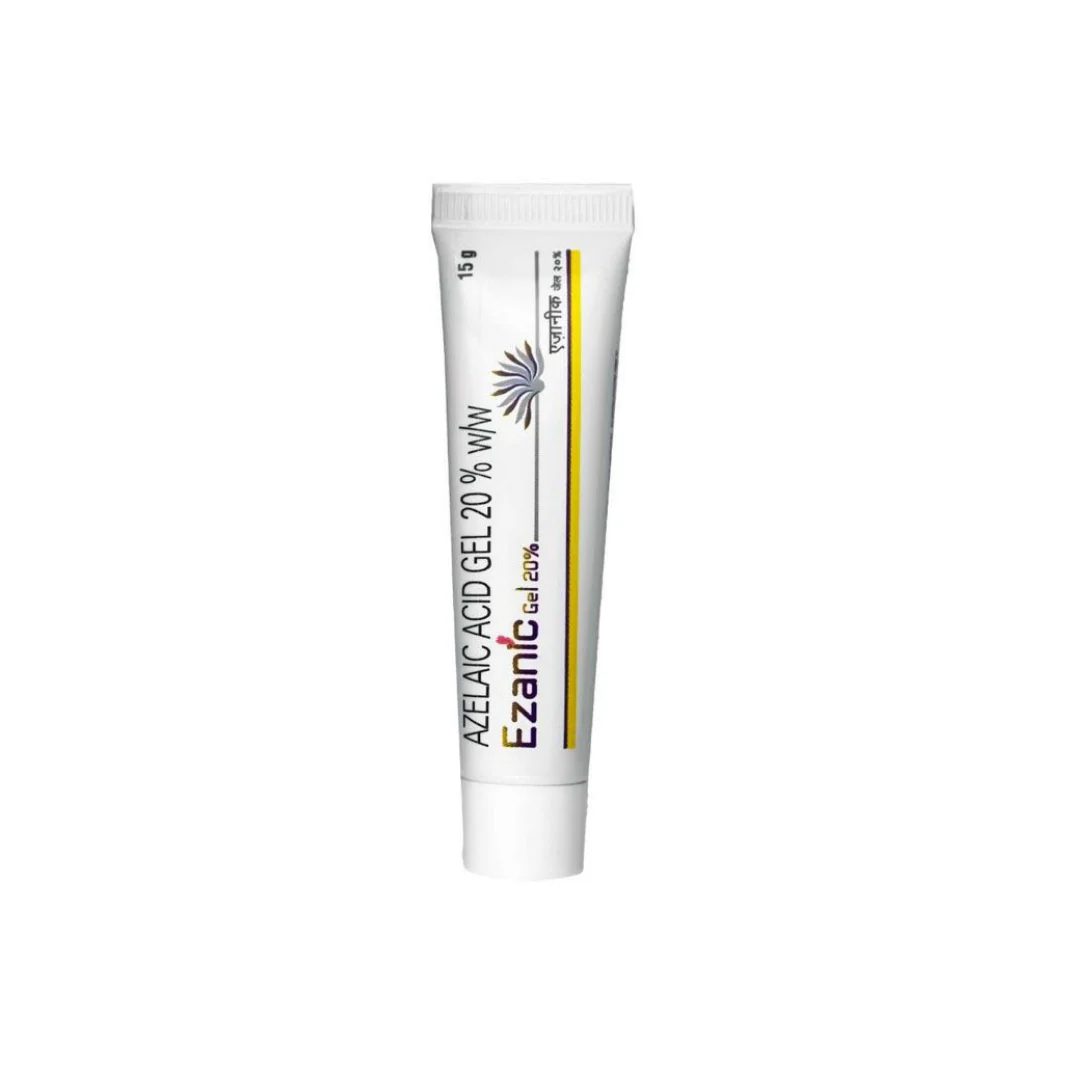
How Azelaic Acid Works
Azelaic acid is a naturally occurring dicarboxylic acid derived from grains such as wheat and barley. In dermatology, it is widely recognized for its multi-pathway action, meaning it treats several skin concerns at once—without overstimulating or damaging the skin barrier.
Scientific Actions on Skin
-
Antibacterial Action:
Azelaic acid reduces acne-causing bacteria (Cutibacterium acnes) without promoting antibiotic resistance. -
Anti-Inflammatory Effect:
It calms inflammatory pathways in the skin, helping reduce redness, swelling, and irritation commonly seen in acne and rosacea. -
Normalizes Skin Cell Turnover:
Prevents excess keratin buildup inside pores, reducing clogged pores, whiteheads, and blackheads. -
Melanin Regulation:
Inhibits tyrosinase activity, an enzyme involved in pigment production—helping fade dark spots, post-acne marks, and uneven skin tone. -
Barrier-Friendly:
Unlike harsh exfoliants, azelaic acid works without thinning the skin, making it suitable for long-term use.
Key Benefits
-
✔ Treats mild to moderate acne
-
✔ Reduces redness and inflammation
-
✔ Helps clear clogged pores
-
✔ Fades dark spots & post-acne marks
-
✔ Improves uneven skin tone and texture
-
✔ Supports rosacea-prone skin
-
✔ Non-steroidal & non-comedogenic
-
✔ Suitable for sensitive skin when used correctly
Who Is It For
-
Acne-prone skin
-
Oily or combination skin
-
Post-acne pigmentation
-
Uneven skin tone or melasma
-
Redness-prone or rosacea-tendency skin
How to Use
-
Cleanse skin gently and pat dry
-
Apply a thin, pea-sized amount to affected areas
-
Use once daily, preferably at night
-
Follow with a gentle moisturizer
-
Apply sunscreen during the day
🔹 Start slowly if you have sensitive skin
🔹 Avoid layering with strong acids or retinoids initially
What to Expect
-
Mild tingling or warmth during the first few uses is normal
-
Visible improvement in acne and redness in 4–6 weeks
-
Gradual fading of dark spots with consistent use
Reviews
There are no reviews yet.